
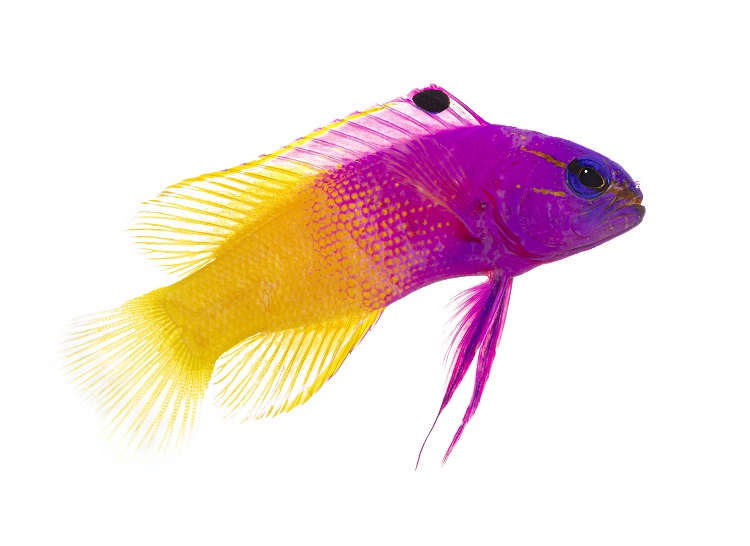
Basslet fish are among the most colorful and fascinating species available in the marine aquarium hobby. Their vibrant coloration, relatively peaceful temperament, and manageable care requirements have made them a favorite among saltwater aquarium enthusiasts around the world. Found primarily in the warm tropical waters of the Caribbean Sea and the western Atlantic Ocean, Basslets are reef-associated fish that spend much of their lives around rocky ledges, caves, and coral formations. Their striking appearance and active behavior make them a centerpiece in many reef aquariums despite their relatively small size.
One of the reasons Basslets have become so popular is their ability to thrive in community reef tanks. Unlike many marine fish that require extremely large aquariums or specialized care, Basslets can adapt well to moderately sized reef systems when provided with stable water conditions and adequate hiding spaces. Their unique habit of swimming upside down beneath rock overhangs and exploring crevices throughout the aquarium adds an extra level of interest for fishkeepers. Whether you are a beginner establishing your first saltwater aquarium or an experienced hobbyist looking to add a splash of color to a mature reef system, Basslet fish are often considered one of the best choices available.
<script async type="text/javascript" src="https://n1.smartyads.com/?c=b&t=s&placementId=9622&ua=[UA]&ip=[IP]&gdpr=[GDPR]&gdpr_consent=[GDPR_CONSENT_534]&gpp=${GPP_STRING_534}&gpp_sid=${GPP_SID}&coppa=[COPPA]&page=[PAGE]&lmt=[LMT]&dnt=[DNT]&ad_width=[AD_WIDTH]&ad_height=[AD_HEIGHT]"></script>
What Is a Basslet Fish?
Basslets belong primarily to the family Grammatidae and include several species that are highly sought after in the aquarium trade. These fish inhabit tropical reef environments where they spend most of their time hovering near rocky structures and feeding on plankton and small marine organisms carried by ocean currents. In the wild, Basslets play an important role in reef ecosystems by helping control populations of tiny invertebrates while also serving as prey for larger reef predators.
The most recognized species is the Royal Gramma Basslet, which displays a dramatic color transition from bright purple at the front of the body to vivid yellow at the tail. Other popular species include the Blackcap Basslet, Chalk Basslet, Swissguard Basslet, and Golden Basslet. While each species has unique characteristics, all Basslets share similar care requirements and behaviors. Their small adult size, beautiful coloration, and reef-safe nature make them ideal additions to marine aquariums.
Natural Habitat of Basslet Fish
Understanding the natural habitat of Basslet fish is essential for recreating suitable aquarium conditions. These fish are native to tropical reef environments throughout the Caribbean Sea, Gulf of Mexico, Bahamas, Bermuda, and portions of the western Atlantic Ocean. In the wild, they are commonly found at depths ranging from a few feet to several hundred feet depending on the species. Most Basslets prefer areas with abundant rock formations, coral reefs, caves, and overhangs that provide protection from predators and strong ocean currents.
Basslets are highly territorial fish that establish specific areas within the reef structure where they seek shelter and hunt for food. They often hover near cave entrances and quickly retreat into crevices when threatened. This behavior allows them to avoid larger predatory fish while maintaining access to food-rich water currents. The reef environments they inhabit are characterized by stable temperatures, excellent water quality, high oxygen levels, and a constant supply of planktonic organisms. Replicating these conditions in captivity greatly increases the chances of long-term success.
The complex structure of coral reefs also provides Basslets with numerous hiding places and territorial boundaries. In aquariums, a lack of rockwork can lead to chronic stress because these fish rely heavily on shelter for security. Fishkeepers who understand the natural behavior of Basslets can design aquariums that closely mimic their native environment, resulting in healthier and more confident fish.
Physical Appearance and Coloration
One of the primary reasons hobbyists are attracted to Basslet fish is their extraordinary coloration. Despite their small size, Basslets often display some of the most vibrant colors found among marine aquarium species. Their bodies are typically elongated and laterally compressed, allowing them to maneuver easily through narrow crevices and reef structures. Their fins are usually rounded and elegant, contributing to their graceful swimming style.
The Royal Gramma Basslet is particularly famous for its stunning coloration. The front half of its body displays an intense purple or violet hue, while the rear half transitions sharply into bright yellow. This dramatic color contrast makes it one of the most recognizable fish in the marine aquarium hobby. Blackcap Basslets feature a rich purple body combined with a distinctive black patch near the dorsal fin, creating a more subtle yet equally attractive appearance. Chalk Basslets display softer pastel shades with delicate horizontal striping that provides a different aesthetic appeal.
Healthy Basslets exhibit bright, vibrant colors that intensify when they are comfortable in their environment. Stress, illness, poor nutrition, or unstable water conditions can cause colors to fade. Providing a varied diet, stable water quality, and a secure environment helps maintain their natural beauty throughout their lifespan.
Behavior and Temperament
Basslets are generally considered peaceful fish, making them suitable for community reef aquariums. However, they do possess territorial instincts that become apparent once they establish a home area within the aquarium. After acclimating to a new tank, Basslets typically select a cave, crevice, or rock formation as their territory and spend much of their time defending this area from perceived intruders.
One of the most fascinating aspects of Basslet behavior is their tendency to swim upside down beneath ledges and overhangs. This unusual habit mirrors their natural behavior in the wild, where they often inhabit cave ceilings and shaded reef structures. Watching a Basslet hover effortlessly beneath a rock formation is one of the unique pleasures of keeping these fish.
Although generally peaceful toward unrelated species, Basslets may become aggressive toward fish with similar body shapes or coloration. This territorial behavior is especially common in smaller aquariums where available space is limited. Providing ample rockwork and multiple hiding places helps reduce aggression and allows fish to establish separate territories. In larger reef systems, Basslets typically coexist peacefully with a wide variety of reef-safe fish.
Ideal Tank Setup for Basslet Fish

Creating an appropriate aquarium environment is perhaps the most important factor in successfully keeping Basslet fish. A well-designed tank should replicate the reef habitats these fish naturally inhabit while providing stable water conditions and adequate shelter. Although a single Basslet can live comfortably in a 30-gallon aquarium, larger tanks are generally recommended because they offer greater stability and more opportunities for natural behavior.
The foundation of any Basslet aquarium should be high-quality live rock arranged to create caves, tunnels, and overhangs. These structures provide shelter, reduce stress, and allow Basslets to establish territories. Many hobbyists underestimate the importance of rockwork, but for Basslets, hiding places are every bit as important as water quality. A tank with extensive rock formations will usually result in a more confident and active fish.
Water movement should be moderate, simulating the currents found on natural reefs. Strong filtration and protein skimming help maintain excellent water quality by removing waste products before they can accumulate. Lighting requirements depend largely on whether the aquarium contains corals, but Basslets generally adapt well to standard reef lighting systems.
Stable water parameters are critical. Temperatures should remain between 72°F and 78°F, salinity should stay within the range of 1.023 to 1.025, and pH should be maintained between 8.1 and 8.4. Consistency is often more important than achieving exact numbers because sudden fluctuations can cause significant stress.
Diet and Feeding Requirements
Basslets are carnivorous fish that feed primarily on zooplankton and small marine organisms in the wild. Their natural feeding strategy involves hovering near reef structures and capturing tiny prey carried by ocean currents. In captivity, they readily accept a variety of prepared foods, making them relatively easy to feed.
A varied diet is essential for maintaining health, coloration, and immune function. High-quality frozen mysis shrimp is often considered one of the best staple foods for Basslets because it provides excellent nutritional value and closely resembles their natural prey. Additional foods such as enriched brine shrimp, copepods, finely chopped seafood, frozen plankton, and marine pellets can also be included in their diet.
Rather than offering one large meal each day, it is generally better to provide two or three smaller feedings. Frequent feedings more closely mimic their natural feeding behavior and help ensure adequate nutrient intake. Fishkeepers should monitor feeding carefully because overfeeding can negatively impact water quality, while underfeeding may result in weight loss and reduced coloration.
Tank Mates for Basslet Fish
Basslets are excellent community fish when housed with compatible species. Their relatively peaceful nature allows them to coexist with many popular reef inhabitants, including Clownfish, Gobies, Firefish, Blennies, Cardinalfish, Wrasses, Tangs, and various reef-safe invertebrates. They rarely bother corals, shrimp, snails, or crabs, making them ideal additions to reef aquariums.
However, caution should be exercised when selecting tank mates. Aggressive species such as large Triggerfish, Lionfish, and Groupers may view Basslets as prey or intimidate them through aggressive behavior. Similarly, housing multiple Basslets together in small aquariums can lead to territorial disputes. Larger tanks with abundant rockwork improve the likelihood of successful coexistence.
A carefully planned community aquarium allows Basslets to display their natural behavior while minimizing stress and aggression. Their bright colors often provide a striking contrast to other reef fish, enhancing the overall visual appeal of the aquarium.
Breeding Basslet Fish
Breeding Basslet fish in captivity is considered moderately difficult and is usually attempted by experienced marine aquarists. In the wild, Basslets reproduce through external fertilization, with males typically establishing territories and attracting females through courtship displays. Once a pair forms, the female deposits eggs in a protected area such as a cave or crevice, where the male fertilizes and guards them until they hatch.
Royal Gramma Basslets are among the few Basslet species that have been successfully bred in captivity on a commercial scale. During the breeding process, the male often constructs a nest using algae and other available materials within a sheltered location. The female lays hundreds of eggs, which are then protected by the male. Depending on water temperature and conditions, the eggs generally hatch within five to seven days.
The greatest challenge begins after hatching because Basslet larvae are extremely small and require specialized live foods such as rotifers and copepods. Maintaining suitable food densities and water quality for the developing fry requires advanced knowledge and dedicated equipment. Although breeding Basslets at home can be challenging, successful captive breeding helps reduce pressure on wild populations and contributes to sustainable aquarium practices.
Lifespan of Basslet Fish
Basslet fish are known for their relatively long lifespan compared to many other small marine species. Under proper aquarium conditions, most Basslets can live between five and ten years, while some individuals may exceed this range when provided with exceptional care.
Several factors influence longevity, including water quality, nutrition, stress levels, tank mate compatibility, and disease prevention. Fish that experience stable water conditions and receive a varied, nutrient-rich diet typically live significantly longer than those kept in poorly maintained systems. Stress caused by aggressive tank mates or inadequate hiding places can weaken the immune system and shorten lifespan.
Regular maintenance, routine water testing, and prompt treatment of health issues are essential for maximizing longevity. Providing an environment that closely resembles their natural reef habitat allows Basslets to remain active, colorful, and healthy throughout their lives.
Frequently Asked Questions (FAQs)
Are Basslet fish good for beginners?
Yes. Most Basslet species, especially the Royal Gramma Basslet, are considered excellent choices for beginners due to their hardiness, peaceful nature, and relatively simple care requirements.
How large do Basslet fish grow?
Most Basslet species grow between 2 and 5 inches in length, depending on the specific species and care conditions.
Are Basslets reef safe?
Yes. Basslets are generally reef safe and do not harm corals, anemones, shrimp, snails, or other common reef invertebrates.
What do Basslet fish eat?
Basslets are carnivores that thrive on foods such as mysis shrimp, brine shrimp, copepods, frozen plankton, finely chopped seafood, and high-quality marine pellets.
How often should Basslets be fed?
Most Basslets benefit from being fed two to three small meals per day. Frequent feedings help mimic their natural feeding behavior.
Can multiple Basslets live together?
Some species can coexist in larger aquariums with sufficient hiding places and territories. However, aggression may occur in smaller tanks.
What is the ideal tank size for a Basslet?
A minimum aquarium size of 30 gallons is recommended for a single Basslet, while larger community reef tanks benefit from 50 gallons or more.
Do Basslets require live rock?
Yes. Live rock is highly recommended because it provides shelter, natural territories, biological filtration, and a more natural environment.
How long do Basslet fish live?
With proper care, Basslets typically live between 5 and 10 years in captivity.
What are the most popular Basslet species?
Popular species include the Royal Gramma Basslet, Blackcap Basslet, Chalk Basslet, Swissguard Basslet, and Golden Basslet.
References
- NOAA Fisheries
- Smithsonian Ocean Portal
- Florida Museum of Natural History
- Marine Breeding Initiative
- Reef2Reef Marine Aquarium Community


