

In a hobby often dominated by bright colors bold personalities and dramatic displays its easy to overlook fish that do not immediately demand attention. Yet some of the most rewarding aquarium species are those that quietly go about their lives revealing their charm slowly to aquarists who are willing to observe rather than rush. The Whiptail Catfish is one such species. Graceful peaceful and beautifully adapted to life along riverbeds this slender catfish offers a completely different kind of aquarium experience one rooted in subtlety patience and appreciation for natural behavior.
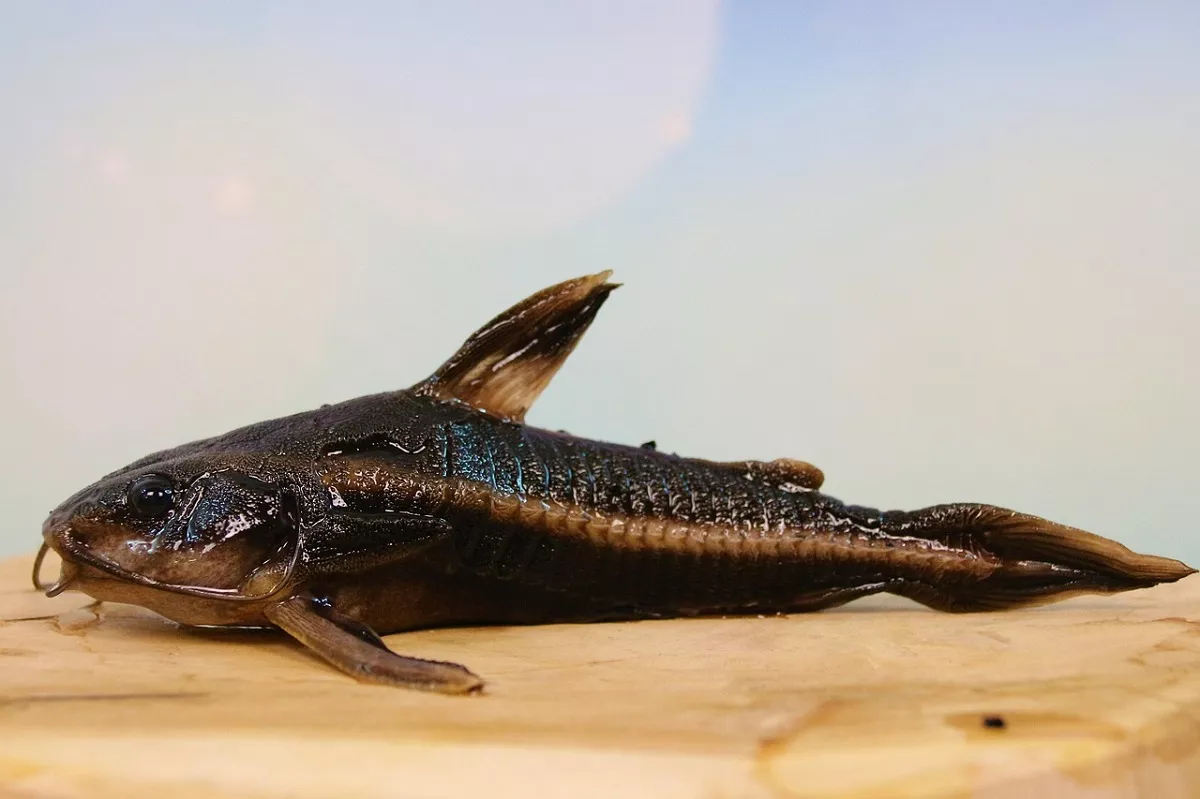
Whiptail Catfish belong primarily to the genus Rineloricaria a group of armored catfish native to South America. Although they are related to plecos they differ greatly in both appearance and behavior. Where many plecos are thick bodied and imposing Whiptails are slim elongated and almost delicate in comparison. Their long tapering tails resembling a thin whip give them their common name and add an unmistakable elegance to their silhouette. Rather than dominating the aquarium they blend into it becoming part of the landscape itself.
Whiptail Catfish
The name Whiptail Catfish actually refers to several closely related species most commonly Rineloricaria lanceolata Rineloricaria parva and other similar members of the genus. In the aquarium trade othese species are often sold simply as Whiptail Catfish since they share nearly identical care requirements and behavior.
These fish are part of the Loricariidae family known for armored catfish with sucker mouths designed for clinging to surfaces and grazing. Unlike algae focused plecos however Whiptails are better described as generalist bottom dwellers. They feed opportunistically consume biofilm scavenge leftover food and supplement their diet with protein sources. This flexibility makes them easier to feed than many specialized species while still offering interesting natural behavior.
Their calm demeanor and relatively small adult size usually between four and six inches make them suitable for moderately sized aquariums, unlike many pleco species that quickly outgrow home tanks.
Breed Overview Chart
| Feature | Details |
|---|---|
| Common Name | Whiptail Catfish |
| Scientific Name | Rineloricaria spp. |
| Family | Loricariidae |
| Class | Actinopterygii |
| Origin | South America |
| Adult Size | 4 to 6 inches |
| Lifespan | 8 to 10 years |
| Temperament | Peaceful |
| Tank Level | Bottom |
| Diet | Omnivore |
| Minimum Tank Size | 20 to 30 gallons |
| Care Level | Easy to Moderate |
Natural Habitat
In the wild Whiptail Catfish inhabit rivers and streams throughout South America, particularly within the Amazon and Paraná river systems. These waterways are diverse but share several common features sandy or muddy bottoms scattered rocks and driftwood and areas of slow to moderate water flow. Seasonal flooding dramatically changes the environment expanding rivers into forested floodplains where fish have access to new food sources and shelter.
Whiptail Catfish spend most of their lives in direct contact with the substrate. Rather than swimming continuously in open water they move deliberately across the bottom pausing often to graze on biofilm or rest beneath wood and rocks. Their coloration typically shades of brown tan or gray allows them to blend seamlessly with sand and leaf litter offering excellent camouflage from predators.
This natural setting explains why Whiptails prefer calm aquariums with soft substrate and plenty of cover. When these environmental needs are met, they display relaxed behavior and consistent activity rather than hiding constantly.
Physical Appearance
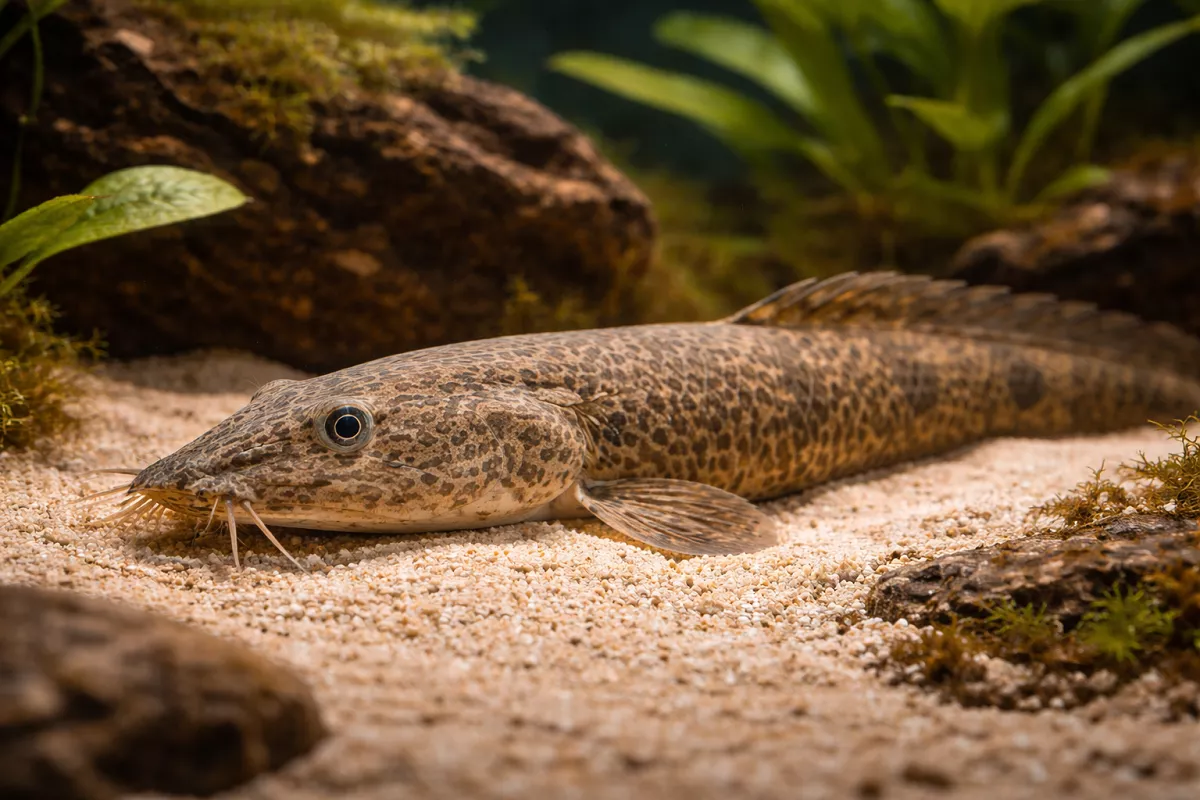
The Whiptail Catfish appearance is a masterclass in functional design. Its body is covered in overlapping bony plates that serve as armor protecting it from predators and abrasive surfaces. These plates give the fish a textured almost prehistoric look reinforcing the impression that this species is perfectly adapted for bottom life.
The elongated body and narrow head reduce resistance when moving across sand or through gentle currents. The tail long and tapering into a fine point provides balance and stability rather than speed. Unlike fast-swimming fish Whiptails rely on stillness and camouflage as much as movement.
Their sucker mouth is located on the underside of the head and allows them to cling to surfaces graze biofilm and remain stable in flowing water. Whisker like barbels around the mouth help them locate food especially in dimly lit environments.
Behavior
Whiptail Catfish are among the most peaceful bottom dwellers available in the aquarium hobby. They show no territorial aggression toward other species and rarely even interact directly with tankmates unless competing gently for food. Their behavior is best described as calm and methodical.
Rather than darting around the tank Whiptails move slowly and deliberately stopping often to rest or graze. They are not strictly nocturnal but they tend to become more active during early morning and evening hours when lighting is subdued. In aquariums with heavy cover and gentle lighting many Whiptails become visible throughout the day.
This calm nature makes them excellent companions for community tanks, where they contribute to the ecosystem without causing disruption.
Tank Setup
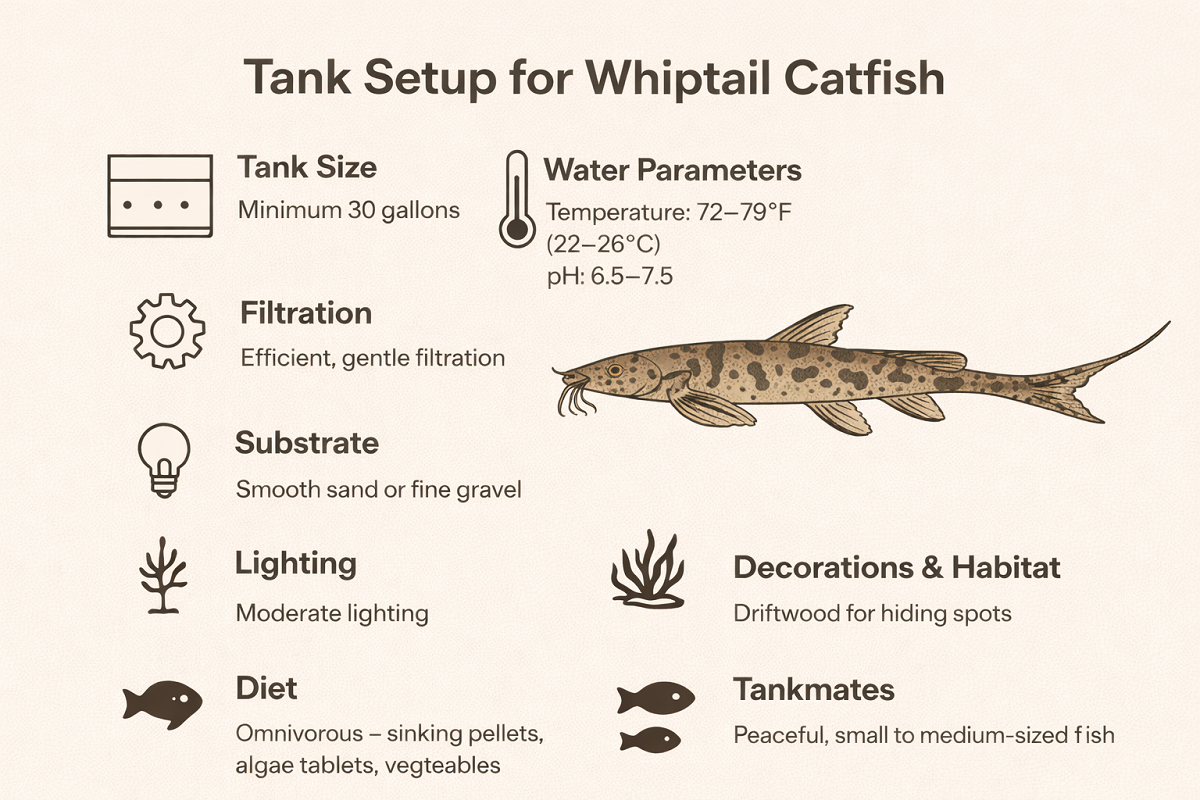
tank setup for Whiptail Catfish
A well designed aquarium is essential for keeping Whiptail Catfish healthy and confident. Although they are adaptable they thrive best in setups that prioritize bottom space soft substrate and natural décor.
A 20 to gallon tank is sufficient for a single Whiptail but a 30 to gallon or larger tank is ideal especially if housing a pair or community setup. Horizontal swimming space matters more than height as these fish spend nearly all their time near the bottom.
Fine sand or smooth rounded substrate is critical. Rough gravel can damage their bellies and lead to long term health issues. Driftwood is strongly recommended as it provides both shelter and grazing surfaces. Smooth rocks caves and leaf litter further enhance their sense of security.
Lighting should be moderate. Bright lighting without shaded areas can cause Whiptails to hide constantly while softer lighting encourages natural behavior.
Diet
While Whiptail Catfish do graze on algae and biofilm they are not strict algae eaters. In the wild their diet includes small invertebrates organic debris and plant matter. In captivity a varied diet produces the best results.
High quality sinking pellets or wafers should form the foundation of their diet supplemented with frozen foods like bloodworms brine shrimp and daphnia. Blanched vegetables such as zucchini and spinach add fiber and mimic natural grazing opportunities.
Feeding once per day is usually sufficient. Evening feedings work particularly well as Whiptails are more active during low light hours.
Breeding Whiptail Catfish
Unlike many pleco species Whiptail Catfish are successfully bred in home aquariums. Males guard eggs laid in caves or under wood, fanning them to keep them oxygenated. Once hatched fry feed on biofilm and fine foods.
Breeding success increases with stable water conditions high quality food and the presence of suitable spawning sites.
Whiptail Catfish FAQs
Are Whiptail Catfish good for community tanks?
Yes they are peaceful and get along well with most calm fish.
How big do Whiptail Catfish grow?
They typically reach 4 to 6 inches in length.
What tank size do they need?
A 20 gallon tank is the minimum with larger tanks preferred.
Do Whiptail Catfish eat algae?
They graze algae and biofilm but need sinking foods as well.
What substrate is best for them?
Fine sand or very smooth gravel is ideal.
Are they nocturnal?
They are most active during low light periods but not strictly nocturnal.
Can they live in pairs or groups?
Yes they can be kept alone or in small groups if space allows.
Do they need driftwood?
Driftwood is recommended for grazing and shelter.
Are Whiptail Catfish hard to care for?
No, they are relatively easy with good water quality.
How long do Whiptail Catfish live?
They usually live 8 to 10 years with proper care.

Leave a Reply