
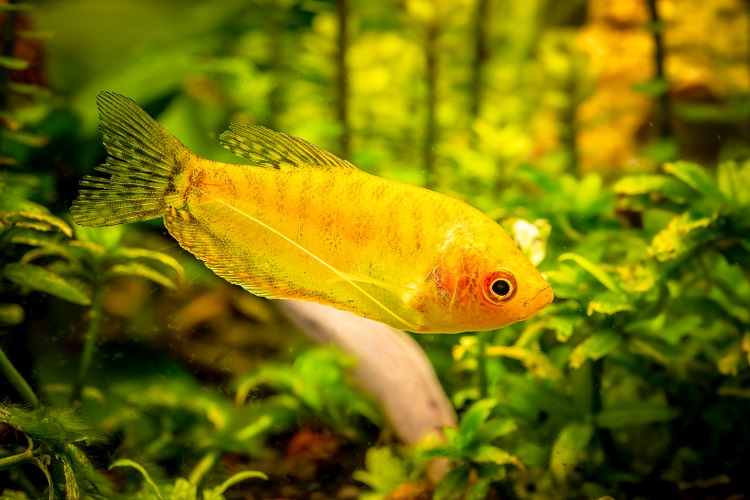
Platy fish are one of the most loved freshwater aquarium fish in the world, especially among beginner fish keepers who want colorful, peaceful, and easy-to-care-for species. These active little fish bring constant movement and life to an aquarium, making even a simple tank look bright and energetic. Their friendly behavior, wide range of colors, and ability to adapt to different water conditions have made them a favorite in the aquarium hobby for decades.
Unlike many delicate tropical fish that require advanced care, platies are known for their hardiness and calm temperament. They can thrive in community aquariums and usually get along well with other peaceful fish species. This makes them an excellent choice for aquarists who are creating their first freshwater setup or those who want a stress-free fishkeeping experience.
<script async type="text/javascript" src="https://n1.smartyads.com/?c=b&t=s&placementId=9622&ua=[UA]&ip=[IP]&gdpr=[GDPR]&gdpr_consent=[GDPR_CONSENT_534]&gpp=${GPP_STRING_534}&gpp_sid=${GPP_SID}&coppa=[COPPA]&page=[PAGE]&lmt=[LMT]&dnt=[DNT]&ad_width=[AD_WIDTH]&ad_height=[AD_HEIGHT]"></script>
Platy Fish Overview

| Feature | Details |
|---|---|
| Common Name | Platy Fish |
| Scientific Name | Xiphophorus maculatus |
| Family | Poeciliidae |
| Origin | Central America |
| Size | 2 to 3 inches |
| Lifespan | 3 to 5 years |
| Temperament | Peaceful |
| Care Level | Easy |
| Diet | Omnivore |
| Tank Size | Minimum 10 gallons |
| Water Temperature | 72°F to 78°F |
| pH Level | 7.0 to 8.2 |
History and Origin of Platy Fish
Platy fish naturally come from the freshwater rivers, streams, ponds, and canals of Central America. They are commonly found in countries such as Mexico, Belize, Guatemala, and Honduras. In the wild, these fish prefer slow-moving waters with dense vegetation, natural hiding spots, and warm temperatures.
Wild platies usually display softer and less vibrant colors compared to the modern aquarium varieties available today. Through selective breeding, aquarists have developed countless color forms and body patterns that are now common in fish stores worldwide.
Platies became extremely popular in the aquarium trade because they are durable fish that can adapt to different environments. Their peaceful nature and ease of breeding also contributed to their popularity among beginners. Today, platy fish are considered one of the best starter fish for freshwater aquariums.
Appearance of Platy Fish

Platy fish may be small, but they are incredibly colorful and attractive. Their bodies are short, compact, and slightly flattened, giving them a rounded appearance that looks very appealing in planted aquariums.
One of the biggest reasons fish keepers love platies is the huge number of available colors and patterns. Modern breeding has created many beautiful varieties that can completely transform the look of an aquarium.
Some platies display solid colors while others have mixed shades, dark tails, spotted patterns, or glowing metallic tones. Certain varieties even develop unique markings that resemble famous shapes or symbols.
Popular Types of Platy Fish
Mickey Mouse Platy
This variety has a dark marking near the tail that resembles the famous Mickey Mouse shape. It is one of the most recognizable platy varieties.
Red Wag Platy
Red wag platies have a bright red body combined with black fins and tails. Their contrasting colors make them stand out in community tanks.
Sunset Platy
Sunset platies feature orange, yellow, and golden shades that resemble a sunset sky.
Blue Platy
Blue platies display shimmering blue or silver-blue coloration under aquarium lights.
Panda Platy
This variety has black and white markings similar to a panda pattern.
Platy Fish Temperament and Behavior
Platies are peaceful and friendly fish that work well in community aquariums. They are social creatures that enjoy swimming around other fish and rarely show aggression.
One of the best things about platy fish is their active behavior. They spend most of the day swimming throughout the aquarium, exploring plants, decorations, and open swimming areas. Their constant movement adds energy and activity to the tank.
Platies are generally non-aggressive, which makes them suitable for tanks with other peaceful freshwater fish. They rarely fight unless the aquarium is overcrowded or there are too many males competing for females.
Male platies sometimes chase females during breeding periods. This behavior is normal, but keeping multiple females per male helps reduce stress.
Typical Platy Fish Behaviors
- Active swimming during the day
- Exploring plants and decorations
- Swimming in groups
- Feeding near the surface
- Mild social interaction
- Occasional chasing behavior
Healthy platies are curious and energetic. Fish that hide constantly or become inactive may be stressed or sick.
Ideal Tank Size for Platy Fish
Although platies are small fish, they still require enough swimming space to remain healthy and active. Many beginners make the mistake of placing them in tanks that are too small, which can lead to stress and poor water quality.
A minimum tank size of 10 gallons is recommended for a small group of platies. However, larger tanks are always better because they provide more stable water conditions and extra swimming space.
Recommended Aquarium Sizes
| Number of Fish | Tank Size |
|---|---|
| 3 to 5 Platies | 10 gallons |
| 6 to 10 Platies | 20 gallons |
| Community Tank | 20 to 30 gallons |
Long aquariums are usually better than tall aquariums because platies prefer horizontal swimming space.
A larger tank also makes maintenance easier because water parameters remain more stable compared to very small aquariums.
Best Tank Setup for Platy Fish

Platy fish thrive in a clean, peaceful, and well-maintained aquarium that closely resembles their natural habitat. A minimum 10-gallon tank is ideal for a small group because platies are active swimmers that enjoy moving around the aquarium throughout the day. Using fine gravel or sand substrate, live plants, driftwood, rocks, and small hiding spaces helps create a comfortable and natural environment for them. Live plants such as Java Fern, Anubias, and Hornwort not only improve the appearance of the tank but also help maintain better water quality and provide shelter for fry.
A gentle filtration system is important to keep the water clean without creating strong currents that may stress the fish. Platies prefer stable water temperatures between 72°F and 78°F with slightly alkaline water conditions. Regular weekly water changes, proper lighting, and avoiding overcrowding are also essential for maintaining a healthy aquarium. When provided with the right setup, platy fish become more active, display brighter colors, and live healthier, longer lives.
Water Parameters for Platy Fish
Stable water conditions are extremely important for platy health and longevity.
Ideal Water Conditions
| Parameter | Recommended Range |
|---|---|
| Temperature | 72°F to 78°F |
| pH | 7.0 to 8.2 |
| Water Hardness | Moderate to hard |
| Ammonia | 0 ppm |
| Nitrite | 0 ppm |
| Nitrate | Under 20 ppm |
Platies prefer slightly alkaline water and usually adapt well to moderately hard water conditions.
Sudden temperature or pH changes can stress fish and weaken their immune systems.
Regular water testing helps prevent problems before they become serious.
Platy Fish Diet and Feeding
Platies are omnivores, meaning they eat both plant matter and protein-rich foods. A balanced diet is essential for maintaining strong immunity, bright coloration, and healthy growth.
In the wild, platies feed on algae, tiny insects, larvae, plant material, and small aquatic organisms.
Best Foods for Platy Fish
Flake Foods
High-quality tropical flakes are a staple food for platies.
Pellets
Small pellets designed for tropical fish provide balanced nutrition.
Frozen Foods
Occasional frozen foods improve health and coloration.
Examples include:
- Bloodworms
- Brine shrimp
- Daphnia
Vegetable Foods
Platies also benefit from vegetable-based foods such as:
- Spirulina flakes
- Blanched spinach
- Zucchini
- Peas
Feeding Schedule
Feed platies 1 to 2 times daily in small amounts they can finish within a few minutes.
Overfeeding is one of the most common beginner mistakes and can quickly pollute aquarium water.
Best Tank Mates for Platy Fish
Platies are peaceful community fish that can live with many other non-aggressive species.
Good Tank Mates
- Guppies
- Mollies
- Swordtails
- Corydoras catfish
- Neon tetras
- Harlequin rasboras
- Cherry barbs
- Kuhli loaches
Tank Mates to Avoid
Avoid aggressive or predatory fish such as:
- Oscars
- Jack Dempseys
- Tiger barbs
- Large cichlids
Aggressive fish may bully or injure platies.
Male vs Female Platy Fish
Distinguishing males from females is relatively easy.
Male Platy Fish
Male platies are:
- Smaller
- Slimmer
- More colorful
- Equipped with a gonopodium
The gonopodium is a modified anal fin used during breeding.
Female Platy Fish
Females are:
- Larger
- Rounder
- Less slender
- Equipped with fan-shaped anal fins
Pregnant females develop fuller bellies as fry grow inside them.
Platy Fish Breeding Guide
Platies are livebearers, meaning they give birth to live fry instead of laying eggs.
They are among the easiest aquarium fish to breed.
How to Encourage Breeding
To promote breeding:
- Maintain warm stable water
- Feed high-quality foods
- Keep males and females together
- Provide plants for hiding
A ratio of one male to two or three females helps reduce stress on females.
Pregnancy Signs
Pregnant females often show:
- Enlarged abdomen
- Dark gravid spot
- Slower swimming
- Increased hiding behavior
Pregnancy usually lasts around 4 weeks.
Caring for Fry
Adult fish may eat baby fry, so fry need hiding spaces.
Dense plants such as Java moss improve fry survival.
Feed fry:
- Crushed flakes
- Fry powder
- Baby brine shrimp
Frequent small feedings help fry grow quickly.
Common Diseases in Platy Fish
Although platies are hardy fish, they can still become sick if water conditions are poor.
Ich
Ich appears as tiny white spots across the body and fins.
Symptoms include:
- Scratching against objects
- Rapid breathing
- Loss of appetite
Fin Rot
Fin rot causes damaged and decaying fins.
Poor water quality is often the main cause.
Swim Bladder Disease
Fish may float abnormally or struggle to swim properly.
Fungal Infections
White cotton-like growths may appear on the body.
Disease Prevention Tips
- Perform weekly water changes
- Avoid overcrowding
- Feed quality foods
- Quarantine new fish
- Test water regularly
Healthy water conditions are the best defense against disease.
Water Changes and Aquarium Maintenance
Routine maintenance keeps platies healthy and active.
Maintenance Schedule
| Task | Frequency |
|---|---|
| Water Change | Weekly |
| Gravel Vacuuming | Every 1 to 2 weeks |
| Filter Cleaning | Monthly |
| Water Testing | Weekly |
Replace around 20% to 30% of the aquarium water each week.
Always use water conditioner to remove chlorine from tap water.
Lifespan of Platy Fish
Platies typically live between 3 and 5 years with proper care.
Several factors affect lifespan:
- Water quality
- Nutrition
- Tank size
- Stress levels
- Disease prevention
Fish kept in clean and stable environments generally live longer and display brighter coloration.
Are Platy Fish Good for Beginners?
Platy fish are widely considered one of the best freshwater fish for beginners.
Reasons Why Beginners Love Platies
- Easy care requirements
- Peaceful behavior
- Hardy nature
- Colorful appearance
- Simple feeding needs
- Compatibility with community tanks
They tolerate small beginner mistakes better than many sensitive tropical fish.
Can Platy Fish Live in Outdoor Ponds?
In warm climates, platies can sometimes live in outdoor ponds during warmer seasons.
However, water temperature must remain stable and predators should be prevented.
Outdoor ponds should include:
- Shade areas
- Plants
- Gentle filtration
- Protection from birds
Cold weather can quickly become dangerous for tropical fish like platies.
Why Are My Platy Fish Hiding?
Occasional hiding is normal, but constant hiding may indicate stress.
Possible reasons include:
- Poor water quality
- Aggressive tank mates
- Sudden lighting changes
- Illness
- Temperature stress
Testing water conditions usually helps identify the problem.
Do Platy Fish Need a Heater?
A heater is recommended for most platy aquariums because it keeps temperatures stable.
Sudden temperature drops can weaken the immune system and increase disease risk.
Can Platy Fish Live with Shrimp?
Platies can live with larger shrimp species, but they may eat baby shrimp.
Adding plants and hiding spaces improves shrimp survival rates.
Conclusion
Platy fish are colorful, peaceful, and beginner-friendly freshwater fish that can thrive in a wide range of aquarium setups. Their active swimming behavior, easy care requirements, and ability to live peacefully with other community fish make them one of the best choices for home aquariums.
Whether you are starting your very first aquarium or expanding an established community tank, platies offer beauty, activity, and simplicity all in one package. With proper care, balanced feeding, stable water conditions, and regular maintenance, these fish can remain healthy and vibrant for many years.
From bright red wag platies to beautiful sunset and Mickey Mouse varieties, there is a platy fish for every aquarist.
FAQs About Platy Fish
How many platy fish should be kept together?
Platies should ideally be kept in groups of at least 3 to 5 fish.
Can platy fish live alone?
Yes, but they are generally more active and comfortable in groups.
Do platy fish need a filter?
Yes, proper filtration is important for maintaining healthy water quality.
How often should platy fish be fed?
Feed small amounts 1 to 2 times daily.
Are platy fish aggressive?
No, platies are peaceful community fish.
How long are platy fish pregnant?
Pregnancy usually lasts about 28 days.
Can platies live with guppies?
Yes, guppies and platies are excellent tank mates.
Why is my platy fish staying near the surface?
This may indicate low oxygen levels, stress, or poor water quality.
What is the best temperature for platies?
The ideal temperature range is 72°F to 78°F.
Do platies eat algae?
They may nibble on algae, but they should not be relied on for algae control.
Reference Links
- FishLab – Platy Fish Care Guide
- Aquarium Source – Complete Platy Fish Guide
- Fishkeeping World – Platy Fish Care, Tank Setup & Diet
- Petco – Platy Fish Care Sheet
- WebMD Pets – What to Know About Platies


