Dottyback fish are among the most attractive and personality-filled marine fish available in the saltwater aquarium hobby. Their intense coloration, bold territorial behavior, and constant activity make them highly desirable for reef aquariums and marine display tanks. Even though these fish remain relatively small compared to many other saltwater species, they are extremely confident and energetic. Their fearless attitude often surprises beginner aquarists because Dottybacks behave like much larger predator fish despite their compact size.
Belonging to the Pseudochromidae family, Dottybacks are naturally found throughout the Indo-Pacific region where they inhabit coral reefs, rocky ledges, and narrow crevices. In the wild, they spend most of their time weaving through reef structures searching for small crustaceans and tiny invertebrates. Their slender body shape allows them to move easily through rock formations and caves where larger predators cannot reach.
<script async type="text/javascript" src="https://n1.smartyads.com/?c=b&t=s&placementId=9622&ua=[UA]&ip=[IP]&gdpr=[GDPR]&gdpr_consent=[GDPR_CONSENT_534]&gpp=${GPP_STRING_534}&gpp_sid=${GPP_SID}&coppa=[COPPA]&page=[PAGE]&lmt=[LMT]&dnt=[DNT]&ad_width=[AD_WIDTH]&ad_height=[AD_HEIGHT]"></script>
One reason Dottybacks have become so popular in marine aquariums is their ability to adapt well to captivity when kept in properly maintained environments. Many species are hardy, disease-resistant, and relatively easy to feed. However, their territorial nature means aquarists must understand proper tank setup, compatible tank mates, and feeding behavior before adding them to a reef system.
Overview of Dottyback Fish

| Feature | Details |
|---|---|
| Common Name | Dottyback Fish |
| Scientific Family | Pseudochromidae |
| Origin | Indo-Pacific Region |
| Fish Type | Saltwater Marine Fish |
| Adult Size | 2 to 5 Inches |
| Lifespan | 5 to 8 Years |
| Temperament | Semi-aggressive |
| Diet | Carnivorous |
| Care Level | Moderate |
| Reef Safe | Usually Yes |
| Minimum Tank Size | 30 Gallons |
Natural Habitat of Dottyback Fish
Dottybacks naturally inhabit tropical coral reef systems across the Indo-Pacific Ocean, including regions near Indonesia, the Philippines, Fiji, Australia, and the Red Sea. These reefs provide the perfect environment for Dottybacks because they contain dense rock structures, coral formations, caves, and narrow hiding spaces that protect smaller fish from predators.
Unlike open-water fish species, Dottybacks prefer staying close to reef structures where they can quickly retreat into hiding when threatened. In the wild, they establish small territories within reef systems and aggressively defend those areas from intruders. Their hunting behavior revolves around ambushing tiny crustaceans, worms, and planktonic organisms hiding within coral rockwork.
The natural reef environment plays a major role in shaping their behavior in captivity. Aquariums that lack rock caves or hiding areas often cause Dottybacks to become stressed, overly aggressive, or constantly defensive. Recreating their natural reef habitat inside a marine aquarium is one of the most important factors for long-term success.
Appearance and Color Patterns
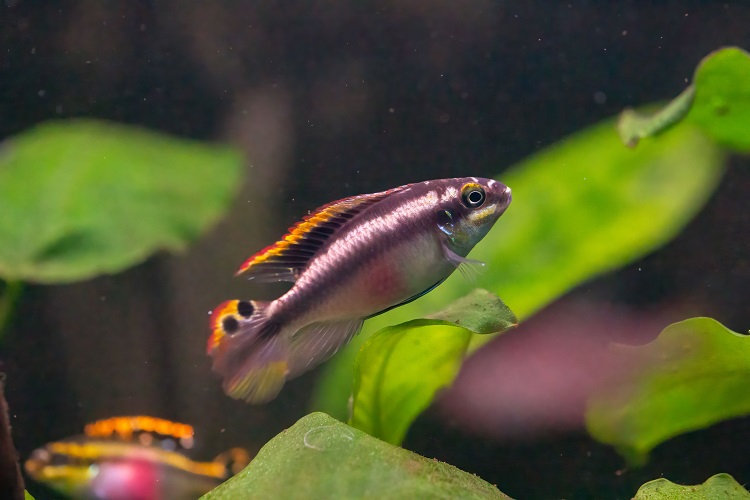
Dottyback fish are famous for their intense coloration and sleek body shape. Their vibrant appearance allows them to stand out dramatically even in heavily stocked reef aquariums. Most species display rich shades of purple, blue, yellow, orange, pink, or black, often with contrasting highlights that glow under reef lighting systems.
Their elongated bodies are designed for moving through narrow rock crevices and coral caves. Dottybacks have pointed faces, large alert eyes, and smooth fins that allow quick directional movement while hunting or defending territory.
Different species display completely different color combinations. Some varieties appear almost neon under blue reef lights, making them highly desirable in modern coral reef aquariums. Their colors often intensify further when they are healthy, stress-free, and receiving high-quality nutrition.
Because of their compact size and bright colors, Dottybacks are commonly used as visual centerpiece fish in smaller reef aquariums where larger marine fish cannot comfortably live.
Most Popular Dottyback Species
Several Dottyback species are available in the saltwater aquarium trade, but some are far more popular because of their coloration, hardiness, or temperament.
Orchid Dottyback
The Orchid Dottyback is considered one of the best Dottyback species for reef aquariums. Its brilliant purple coloration makes it instantly noticeable in marine tanks, while its temperament is generally calmer than many other Dottyback varieties.
This species adapts extremely well to captivity and usually accepts prepared foods quickly. Because of its hardiness and beauty, the Orchid Dottyback is often recommended for beginner saltwater hobbyists.
Bicolor Dottyback
The Bicolor Dottyback features one of the most dramatic color patterns in the marine aquarium hobby. The front half of its body is bright purple while the rear section is vivid yellow.
Although beautiful, this species can become highly territorial in smaller aquariums and may bully weaker tank mates if sufficient territory is unavailable.
Neon Dottyback
Neon Dottybacks display electric blue coloration combined with dark markings. Their active swimming patterns and aggressive feeding behavior make them very entertaining to observe.
They are best suited for aquarists experienced with semi-aggressive marine fish.
Sunrise Dottyback
The Sunrise Dottyback displays attractive orange, pink, and yellow tones that become especially vivid under reef lighting systems. This species is often slightly more peaceful than aggressive Dottyback varieties, making it a good option for community reef tanks.
Dottyback Fish Behavior and Personality
One of the defining traits of Dottyback fish is their bold and fearless personality. Despite their small size, they behave with surprising confidence and often establish dominance within their territory. Unlike shy marine fish that hide constantly, Dottybacks usually remain active throughout the day, swimming in and out of rockwork while monitoring their surroundings carefully.
Their territorial behavior becomes more noticeable in smaller aquariums where space is limited. Dottybacks may chase or intimidate weaker fish that enter their chosen hiding areas. This aggression is usually directed toward similarly shaped fish or smaller peaceful species.
However, aggression levels vary depending on:
- Tank size
- Aquascape layout
- Species type
- Tank mate selection
- Feeding frequency
In larger reef systems with extensive rockwork, Dottybacks often behave far more peacefully because multiple territories naturally form within the aquarium.
Many hobbyists actually enjoy their confident attitude because it adds personality and constant activity to the tank environment.
Ideal Tank Setup for Dottyback Fish

Creating the correct aquarium environment is one of the most important aspects of successful Dottyback care. Although these fish are hardy, they thrive best in tanks that closely resemble natural coral reef habitats.
Minimum Tank Size Requirements
A minimum tank size of 30 gallons is recommended for a single Dottyback fish. However, larger tanks are strongly preferred because they reduce territorial aggression and provide more stable water chemistry.
For mixed reef aquariums or community marine tanks, systems between 50 and 75 gallons provide far better conditions for long-term compatibility.
Live Rock and Aquascaping
Live rock is essential for Dottyback aquariums because these fish depend heavily on caves, tunnels, and hiding spaces for security. A reef aquascape should include multiple rock formations with narrow openings where the fish can retreat when stressed.
An ideal Dottyback setup should contain:
- Large amounts of live rock
- Reef caves and crevices
- Multiple hiding zones
- Overhanging rock ledges
- Open swimming areas
- Stable coral-safe structures
The more complex the rockwork layout, the more natural and secure the Dottyback will feel.
Water Flow and Filtration
Moderate water movement is generally ideal for Dottyback aquariums. Strong reef filtration systems help maintain stable marine water quality while reducing harmful waste buildup.
Important filtration equipment may include:
- Protein skimmers
- Biological filtration systems
- Powerheads
- Reef circulation pumps
- Mechanical filtration media
Stable filtration is extremely important because marine fish are sensitive to poor water quality and ammonia spikes.
Lighting Requirements
Dottybacks themselves do not require specialized lighting, but reef aquariums commonly use LED reef lighting systems that enhance their coloration dramatically.
Blue-spectrum reef lights often make purple, pink, and yellow Dottyback species appear far more vibrant.
Water Parameters for Dottyback Fish
Maintaining stable water chemistry is critical for long-term marine fish health.
Recommended Water Conditions
| Parameter | Ideal Range |
|---|---|
| Temperature | 72°F to 78°F |
| Salinity | 1.020 to 1.025 |
| pH Level | 8.1 to 8.4 |
| Ammonia | 0 ppm |
| Nitrite | 0 ppm |
| Nitrate | Below 20 ppm |
Marine fish are highly sensitive to sudden parameter swings. Consistency is far more important than chasing perfect numbers.
Weekly testing and regular maintenance help prevent stress-related illnesses.
Feeding and Diet Requirements
Dottybacks are carnivorous predators that naturally hunt tiny crustaceans and invertebrates hidden within reef rockwork.
In captivity, they generally accept a wide range of protein-rich foods including:
- Frozen mysis shrimp
- Brine shrimp
- Marine carnivore pellets
- Chopped seafood
- Copepods
- Protein flakes
Feeding should occur once or twice daily in moderate portions.
A high-quality varied diet improves:
- Immune health
- Color intensity
- Growth rates
- Energy levels
- Breeding condition
Overfeeding should be avoided because excess waste can rapidly damage saltwater quality.
Best Tank Mates for Dottyback Fish
Tank mate compatibility is one of the most important factors when keeping Dottybacks.
Good tank mates often include:
- Clownfish
- Wrasses
- Tangs
- Hawkfish
- Angelfish
- Larger gobies
These species are generally active enough to coexist successfully.
Fish that should be avoided include:
- Firefish
- Tiny gobies
- Small ornamental shrimp
- Passive nano fish
- Similar Dottyback species in small tanks
Adding Dottybacks last can sometimes reduce aggression because existing fish establish territories first.
Reef Compatibility
Most Dottyback species are considered reef safe because they usually ignore coral colonies completely. This makes them suitable for mixed reef systems containing soft corals, LPS corals, and many SPS species.
However, caution is necessary with extremely small ornamental shrimp because some Dottybacks may hunt them.
Cleaner shrimp are generally safer in larger reef systems with sufficient hiding areas.
Common Health Problems
Dottybacks are relatively hardy marine fish, but poor tank conditions can still cause illness.
Marine Ich
Marine Ich is one of the most common saltwater diseases affecting marine aquariums. Symptoms include white spots, flashing behavior, rapid breathing, and appetite loss.
Quarantine procedures greatly reduce infection risk.
Stress-Related Illness
Stress caused by bullying, unstable salinity, or poor water quality weakens the immune system and increases disease susceptibility.
Physical Injuries
Territorial fighting may occasionally result in torn fins or wounds if aggressive species are overcrowded.
Providing enough space and hiding areas reduces conflict significantly.
Breeding Dottyback Fish
Dottybacks are among the few marine fish species regularly bred in captivity.
During breeding, males become highly protective of nesting caves where eggs are deposited. After spawning, the male guards the eggs until hatching occurs.
Raising fry is challenging because baby Dottybacks require extremely tiny live foods such as rotifers and copepods during early development.
Captive breeding programs have helped reduce pressure on wild reef populations while improving availability in the aquarium trade.
References
- LiveAquaria Marine Fish Care Guides
- FishBase Dottyback Species Database
- Reef2Reef Saltwater Aquarium Community
- MarineBio Fish Species Information
FAQs
Are Dottyback fish aggressive?
Yes, many Dottyback species are semi-aggressive and territorial, especially in smaller aquariums.
What is the best Dottyback species for beginners?
The Orchid Dottyback is commonly considered the best beginner-friendly species because it is hardy and relatively peaceful.
Can Dottybacks live in reef tanks?
Yes, most Dottyback species are reef safe and suitable for coral reef aquariums.
What do Dottyback fish eat?
They eat carnivorous foods such as mysis shrimp, brine shrimp, marine pellets, and protein-rich frozen foods.
How large do Dottyback fish grow?
Most species grow between 2 and 5 inches depending on the variety.
Can Dottybacks live with shrimp?
Larger shrimp may coexist safely, but very small ornamental shrimp can sometimes become prey.
What tank size is best for Dottybacks?
A minimum of 30 gallons is recommended, although larger tanks help reduce aggression.
How long do Dottyback fish live?
With proper care, Dottybacks commonly live between 5 and 8 years in captivity.
Are Dottybacks difficult to keep?
They are moderately easy to care for but require stable marine water conditions and proper tank mate selection.
Why is live rock important for Dottybacks?
Live rock provides hiding places, territory boundaries, and natural hunting areas that help reduce stress and aggression.